PLUMBINGXPERTZ · LOCAL PLUMBING HELP
Slab Leak Repair Beneath Concrete
Unexplained water use or persistent water sounds may justify an assessment of concealed supply piping. Learn how locating and repair decisions differ for leaks beneath a concrete foundation.
- Discuss Availability
- Local Service Options
- Confirm Scope & Pricing
Need a Plumber?
Enter your ZIP code to get started.
UNDERSTANDING YOUR PLUMBING PROBLEM
Confirm the Water Source Before Opening Concrete
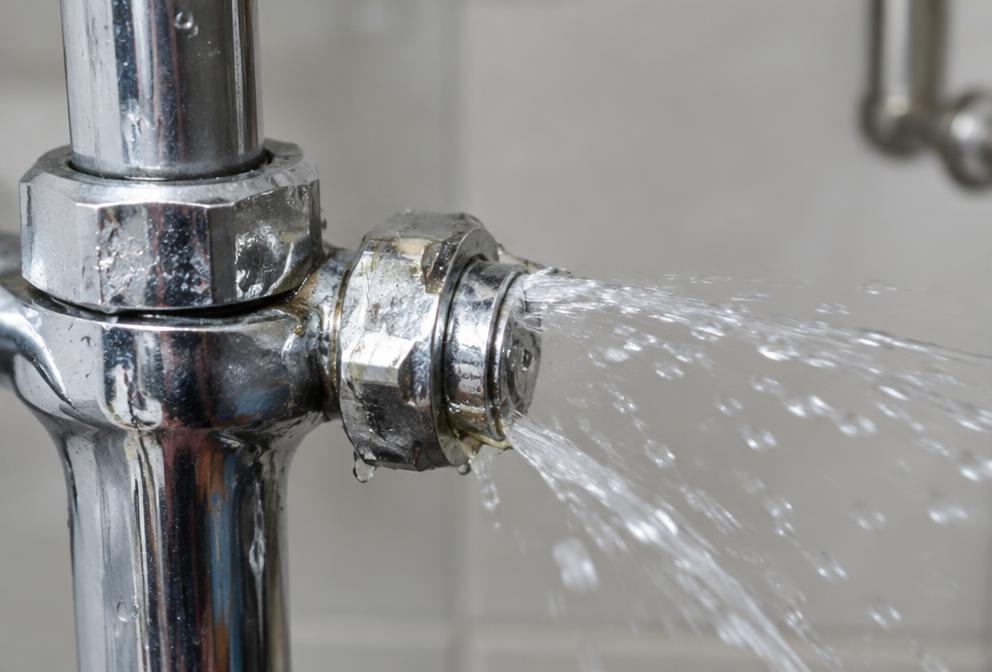
A slab supply leak involves water escaping from pressurized piping beneath a concrete foundation. It differs from a drain leak that may occur when a fixture discharges, and from groundwater, rain intrusion, condensation or another moisture source. Water can spread beneath the slab or follow other paths without creating an indoor puddle. Unexpected usage or persistent sounds while fixtures are off can warrant investigation, but neither identifies the exact source. A warm floor area may be associated with a hot-water supply leak, yet heating systems, sunlight and other causes can produce warmth too. These clues are not diagnoses and do not establish foundation damage. A professional evaluation should distinguish supply and drainage concerns, consider the property’s plumbing layout and confirm evidence before proposing invasive access or repair.
Signs to Watch For
- Unexpected water usage that continues after ordinary fixture and appliance use is accounted for
- Persistent water sounds when taps and water-using appliances are not operating
- A newly warm floor area, which is a possible clue rather than proof of a hot-water leak
- Moisture at floor edges or beneath finishes without an identified source
- Changes in water pressure alongside other unexplained supply symptoms
- A water heater running unusually often, which needs assessment rather than an assumed diagnosis
Before You Try a Repair
Do not drill, cut or break concrete to investigate suspected leakage. Hidden utilities and uncertainty about pipe location make opening a slab professional work. If an active supply leak is suspected, discuss safe isolation; operate a known shutoff only if safely accessible and moving normally. Stay clear of wet electrical equipment and restrict access to wet or slippery flooring. Record when sounds, usage changes or warm areas occur from a safe place, without treating those observations as proof. Avoid removing flooring or disturbing concealed materials before an assessment. Visible cracking or movement needs appropriate professional evaluation; plumbing symptoms alone cannot diagnose structural damage. If moisture is spreading or essential water service is affected, explain the urgency by phone and confirm provider availability rather than assuming an immediate appointment.
Emergency safety guidance from Ready.govWhat to Expect From a Service Visit
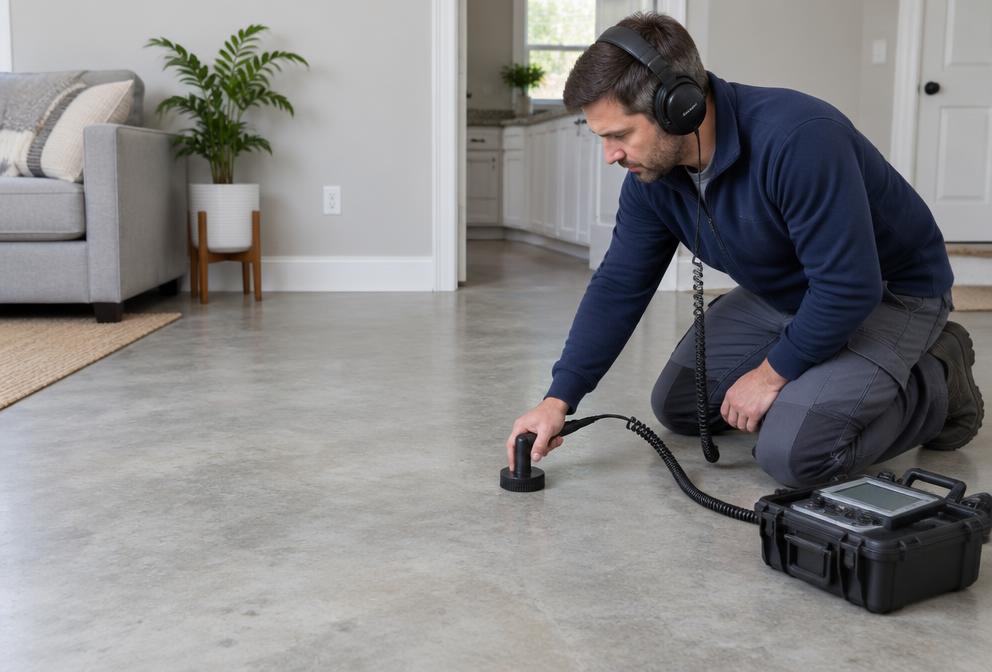
A provider may first review water-use patterns, visible fixtures and supply behavior to narrow the source. Acoustic listening, thermal imaging and other non-invasive locating methods may help, depending on pipe material, depth, background noise and site conditions. Thermal patterns show temperature differences, not a confirmed pipe fault, and acoustic signals can be inconclusive. Ask what evidence supports the location and what further testing or access is needed. Once findings are established, a localized pipe repair through targeted access may be appropriate, or rerouting a supply line away from beneath the slab may be considered. Pipe condition, route feasibility, disruption, local requirements and future access influence that choice; neither is automatically best. Confirm testing and return-to-service arrangements, proposed penetrations and any permits or inspections. The written scope should distinguish plumbing work from slab reinstatement, flooring replacement, drying and any separate foundation evaluation, including who coordinates each responsibility.
Describe the Problem
Describe usage changes, whether sounds continue with fixtures off, any warm areas and when moisture appears. Share known pipe routes or prior leak repairs. Ask how supply leaks will be distinguished from other moisture, what locating methods can establish, why repair or rerouting is proposed and who handles flooring and concrete restoration.
Discuss Your Options
Ask the provider about availability, assessment fees, and the type of service you need.
Confirm Before Work Begins
Review the proposed scope, pricing, and timing with the independent provider.
GET PLUMBING HELP
Talk About Your Slab Leak Repair Needs
Call to confirm local service options, availability, and pricing.
Slab Leak Repair FAQs
Can a slab leak exist without an indoor puddle?
Yes. Escaping supply water may remain beneath the slab or travel elsewhere. Persistent water sounds or unexplained usage can justify investigation, but appliances, fixture leaks and other sources must also be considered. An assessment is needed to confirm a supply leak and locate it; the absence or presence of a puddle does not settle the diagnosis.
Does a warm spot on the floor prove a hot-water leak?
No. A warm area can have several causes, including heating systems or sun exposure. A provider may use that observation alongside supply checks and locating tools, but a temperature pattern alone does not confirm leaking pipe. Explain when the warmth appears and whether usage or water sounds changed rather than treating the spot as a confirmed repair location.
Does every slab leak require opening the slab?
Not necessarily. Locating can sometimes begin without opening concrete, and rerouting may avoid access to the original pipe in some cases. Other repairs require targeted openings after investigation. Ask what non-invasive methods can and cannot establish, where access would be needed and why the proposed approach fits the findings. Do not open concrete yourself.
How is targeted repair compared with rerouting?
A localized repair addresses the identified fault, while rerouting changes the path of the affected supply line. The condition of surrounding pipe, feasible new routes, building access and applicable requirements all matter. Request the inspection findings, the scope and disruption of each viable option, and the reasons for the recommendation rather than assuming all under-slab piping must be replaced.
Who restores the concrete and flooring afterward?
That depends on the agreed scope. Ask whether plumbing access, concrete reinstatement, floor finishes and moisture cleanup are included or handled by separate providers. Foundation concerns may need an independent specialist assessment. Confirm responsibilities before authorizing work; a plumbing repair estimate does not automatically include restoration, and symptoms do not establish structural damage or insurance coverage.