PLUMBINGXPERTZ · LOCAL PLUMBING HELP
Hydro Jetting Help For Drain & Sewer Buildup
High-pressure water cleaning may remove buildup in suitable drain and sewer lines. Discuss access, pipe condition and the cause of recurring blockages before choosing a cleaning method.
- Discuss Availability
- Local Service Options
- Confirm Scope & Pricing
Need a Plumber?
Enter your ZIP code to get started.
UNDERSTANDING YOUR PLUMBING PROBLEM
Cleaning Buildup Is Different From Repairing a Pipe
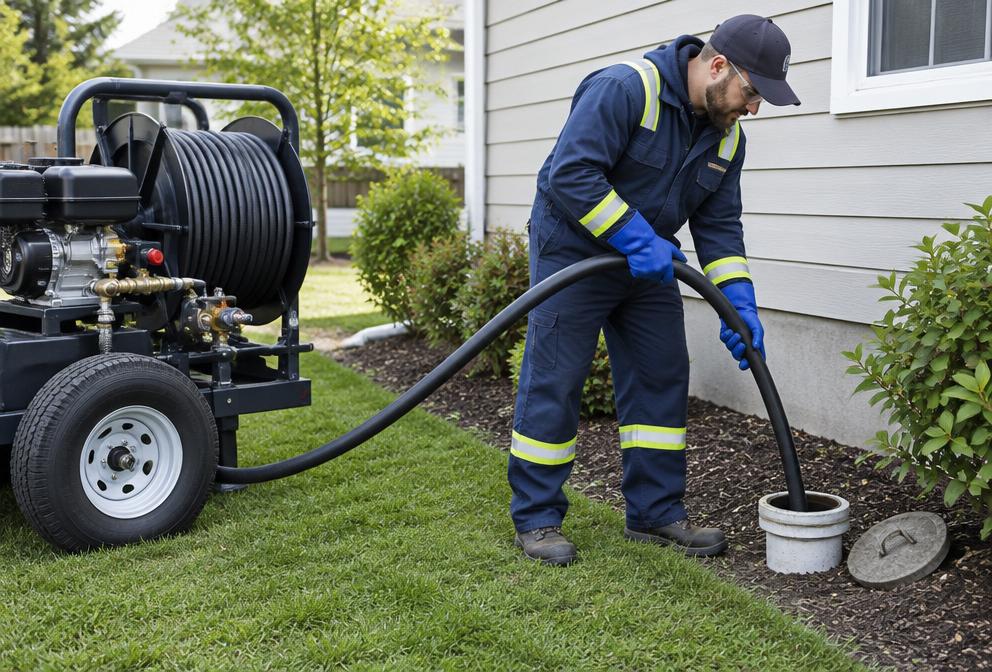
Hydro jetting uses specialized high-pressure water equipment to clean drain or sewer piping. A cable may make an opening through a blockage or retrieve certain obstructions, while suitable jetting equipment can wash buildup from pipe walls and move loosened material through the line. The methods are not interchangeable for every obstruction or pipe. Grease, sludge and deposits may respond to cleaning, but a crack, displaced joint, collapse or sagging line remains a structural or alignment problem. Removing roots does not seal their entry point, so intrusion can recur. A recurring blockage should prompt investigation of the cause rather than a promise that stronger cleaning will permanently solve it. The provider needs to consider material, condition, access and where wastewater and debris will go before recommending jetting.
Signs to Watch For
- Repeated slow drainage after previous clearing attempts
- Several fixtures backing up together, suggesting a shared-line assessment is needed
- Known grease or sludge buildup supported by inspection findings
- Recurring problems in high-use drains that need assessment beyond routine clearing
- A history of roots or damaged pipe, which requires suitability checks rather than automatic jetting
- Sewage emerging at fixtures or a cleanout—stop water use and avoid contact
Before You Try a Repair
Hydro jetting is professional-only work: high-pressure hoses and nozzles can cause serious injury, and access points can release contaminated water. Do not rent or operate equipment to test a blocked line, open a backed-up cleanout or handle an active hose. Stop using affected fixtures when they back up, keep people and pets away from sewage and leave safe access for the provider. Avoid adding chemical cleaners and never mix products. Tell the provider exactly which products were already used and when so they can plan safe handling. In a business, identify site restrictions and who can approve shutoffs or interrupted drainage. The provider should plan containment and wastewater handling appropriate to the site and applicable rules, rather than allowing contaminated water to spread through occupied areas or onto surrounding property.
Emergency safety guidance from Ready.govWhat to Expect From a Service Visit
The provider can review blockage history, pipe material and available cleanouts before selecting a method. Camera inspection may help reveal roots, damaged joints, collapse or retained water when the line is accessible and visibility permits; a severe obstruction can limit the initial view. Ask whether preliminary clearing is needed to inspect, and what remaining uncertainty affects suitability. Fragile, severely deteriorated or collapsed pipe may be unsuitable for high-pressure cleaning, and inaccessible lines may require a different approach. Where jetting is appropriate, equipment, nozzle choice and operation must suit the assessed conditions, with a plan for loosened debris and wastewater. Discuss how drainage will be checked afterward and whether a follow-up camera assessment is useful. If damage, displacement or a sagging section is identified, request repair options separately. For recurring buildup or roots, ask what contributing conditions remain and whether a condition-based maintenance plan or further investigation is warranted—cleaning alone is not a permanent-fix guarantee.
Describe the Problem
List affected drains, prior snaking or jetting, known pipe age or material and any camera findings. Disclose every drain chemical already used. Ask whether inspection is needed, what could make jetting unsuitable, how wastewater will be controlled, how results will be checked and whether recurring blockages need repair rather than more cleaning.
Discuss Your Options
Ask the provider about availability, assessment fees, and the type of service you need.
Confirm Before Work Begins
Review the proposed scope, pricing, and timing with the independent provider.
GET PLUMBING HELP
Talk About Your Hydro Jetting Needs
Call to confirm local service options, availability, and pricing.
Hydro Jetting FAQs
How does hydro jetting differ from drain snaking?
A cable can open a path through some clogs or remove an obstruction; hydro jetting uses pressurized water to wash suitable buildup from pipe walls. Neither method is right for every line. The obstruction, pipe condition and access determine the choice, and the provider may recommend inspection or another approach instead of simply choosing the more intensive cleaning method.
Is hydro jetting safe for older pipes?
Age alone does not establish suitability. Material, existing cracks, weakened sections, joints and previous damage need assessment. Fragile or collapsed piping may be unsuitable. Ask what is known about the line, whether camera inspection can help and why the proposed equipment and method fit its condition. Do not assume high-pressure cleaning is safe because the drain has been cabled before.
Can jetting stop roots and repeat blockages permanently?
It may remove some root material or buildup when conditions allow, but it does not seal cracks or joints where roots enter. Roots and deposits can return if contributing conditions remain. Ask what caused the restriction, what inspection shows and whether repair or planned maintenance is appropriate. No cleaning method should be presented as a guaranteed permanent cure for recurring blockages.
Is camera inspection needed before jetting?
It may be useful where pipe condition is uncertain, damage is suspected or blockages recur. Access and heavy buildup can limit the view, so a provider may discuss preliminary clearing and a later inspection. Ask what the camera can establish, what cannot yet be seen and how uncertainty affects the cleaning recommendation. An inspection should inform suitability, not be assumed to rule out every defect.
Why does cleaning not fix a damaged or sagging sewer line?
Water cleaning removes material; it does not rebuild a cracked wall, realign displaced joints or correct a low section that retains wastewater. A line may drain better after clearing while the underlying defect remains. Ask for documented findings and separate repair options if damage is identified, with a clear distinction between the cleaning scope and any structural work or restoration.