PLUMBINGXPERTZ · LOCAL PLUMBING HELP
Burst Pipe Repair For Sudden Ruptures
A split supply pipe can release water quickly—or begin leaking as frozen water thaws. Discuss safe isolation, damage assessment and repair options with an independent provider.
- Discuss Availability
- Local Service Options
- Confirm Scope & Pricing
Need a Plumber?
Enter your ZIP code to get started.
UNDERSTANDING YOUR PLUMBING PROBLEM
A Sudden Rupture Needs More Than a Quick Patch
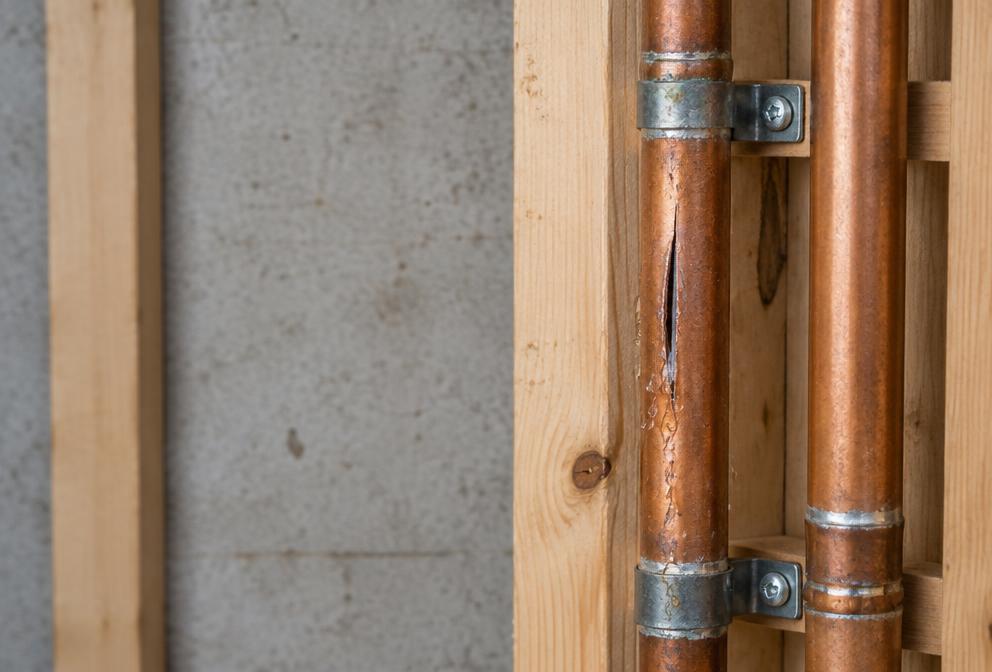
Burst pipe repair focuses on a sudden failure in a pressurized water-supply line, rather than the gradual deterioration covered by general pipe repair or the broader hazards addressed by emergency plumbing triage. Freezing can create damaging pressure as ice blocks a pipe; the split may remain hidden until thawing restores flow. Corrosion, physical impact, a weakened joint or pressure-related problems are other possible causes. A visible rupture does not establish the cause by itself. Water may travel behind walls or beneath floors, and the most obvious wet area may not be the only damaged location. Professional assessment should consider the failed section, adjacent piping and whether other vulnerable sections need inspection before water is restored. Stopping the leak addresses the plumbing fault, not the drying and restoration of soaked building materials.
Signs to Watch For
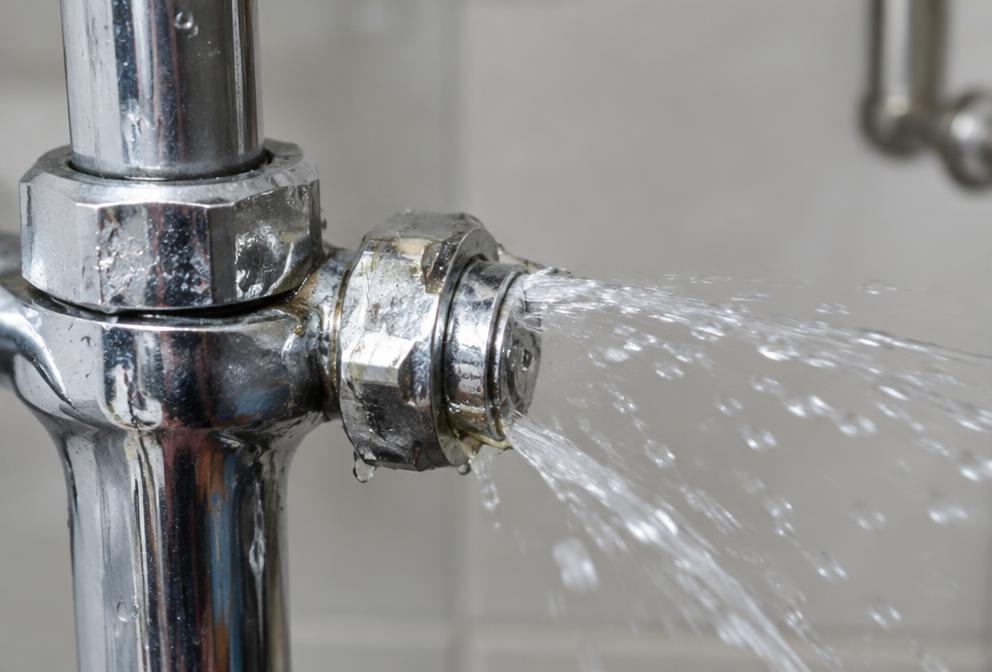
- Sudden spraying, steady escaping water or a visible split in an accessible supply pipe
- A sharp loss of flow during freezing weather followed by leakage as temperatures rise
- New wet patches or water sounds behind walls when supply flow returns
- Water spreading into ceilings, cabinets or spaces beneath the damaged line
- A shutoff valve that is inaccessible, seized or unable to stop the leak safely
- Water near outlets, appliances or electrical equipment—an immediate safety concern
Before You Try a Repair
If a known fixture or main water shutoff is safely accessible and operates normally, close it to limit an active supply leak. Do not force a stiff valve or cross standing water to reach one. Stay out of wet areas near electrical equipment; do not touch wet switches, outlets or an electrical panel. Immediate electrical danger calls for emergency or utility assistance, not entry into the affected area. Never use an open flame to thaw a pipe, and do not assume thawing makes a damaged line safe. Seek professional help for inaccessible frozen piping, active ruptures or uncertainty about isolation. Keep children and pets away, leave access clear from a dry location and document visible damage only when safe. Do not enter flooded crawlspaces or open walls to chase the leak. A wrap or clamp cannot establish that adjacent pipe is sound and should not be treated as a completed repair.
Emergency safety guidance from Ready.govWhat to Expect From a Service Visit
The provider can establish whether the supply is isolated, locate the rupture and identify pipe material, accessible joints and nearby damage. Ask how they will check adjacent sections for freeze damage or deterioration and whether pressure or installation conditions contributed. Repair may involve replacing a damaged length or connection with compatible materials; an exposed split and a concealed run can require different access. Confirm proposed openings, permits or inspections where applicable, and who will make the area safe to work in. After repair, discuss leak or pressure testing, observation of concealed-risk areas and a controlled return to service under provider guidance. Do not restore water on your own while repair or inspection is incomplete. Request a written scope separating the plumbing repair from water extraction, drying, drywall, insulation and finishing. Ask who coordinates those restoration tasks and how any additional damage discovered during access will be addressed.
Describe the Problem
Share when flow changed, recent freezing, where water appears and whether the shutoff operated safely. Ask how adjacent pipe will be checked, what access is needed, how testing and water restoration will be handled, and which moisture-cleanup tasks are excluded. Have safe photos and any known pipe material ready; do not enter a hazardous area to collect them.
Discuss Your Options
Ask the provider about availability, assessment fees, and the type of service you need.
Confirm Before Work Begins
Review the proposed scope, pricing, and timing with the independent provider.
GET PLUMBING HELP
Talk About Your Burst Pipe Repair Needs
Call to confirm local service options, availability, and pricing.
Burst Pipe Repair FAQs
Is a frozen pipe always a burst pipe?
No. Restricted flow during freezing does not prove a rupture, and a pipe can be damaged without a visible leak while ice blocks the water. A provider can assess the affected run and safe thawing options. Never use an open flame, and do not restore normal service simply because flow has returned without considering hidden damage.
Why can a leak appear only after the pipe thaws?
Ice can temporarily restrict water escaping through a damaged section. As it melts and pressure returns, a split or failed joint may begin leaking. Watch for new moisture from a safe location and discuss checking the affected run before restoring supply. One repaired spot does not rule out another damaged section behind a wall.
Can a temporary patch replace a proper repair?
A temporary measure may limit water loss in some circumstances, but suitability depends on the pipe and damage. It does not resolve weakened surrounding pipe or establish a reliable permanent repair. Ask the provider what limitations apply and what replacement and testing are needed. Avoid applying a patch where electricity, hot water or unsafe access creates risk.
Will the provider need to open walls or floors?
An exposed pipe may be reachable without opening finishes; a concealed rupture may need access after its location is assessed. Ask which openings are proposed, how other building systems will be protected and what findings could change the scope. Do not open a wet wall or enter a flooded space yourself to locate the damaged pipe.
Does burst pipe repair include drying and restoration?
Not necessarily. Plumbing repair stops the source, while water extraction, moisture assessment, drying and replacement of finishes may be separate work. Confirm who is responsible for each task, whether restoration is included in the written estimate and how the jobs will be coordinated. Do not assume any insurance coverage or that surface dryness means hidden materials are dry.